What is Progressing
Ballet Technique?
A globally trusted conditioning method used by 10,000+ teachers in 60+ countries. Built on neuromuscular science, developed over decades, and proven in studios worldwide.
Conditioning that changes how dancers move
Progressing Ballet Technique is a body-conditioning and strengthening program designed specifically for dancers. It was built to develop the strength, muscle memory, and body awareness that transforms how they move, feel, and perform.
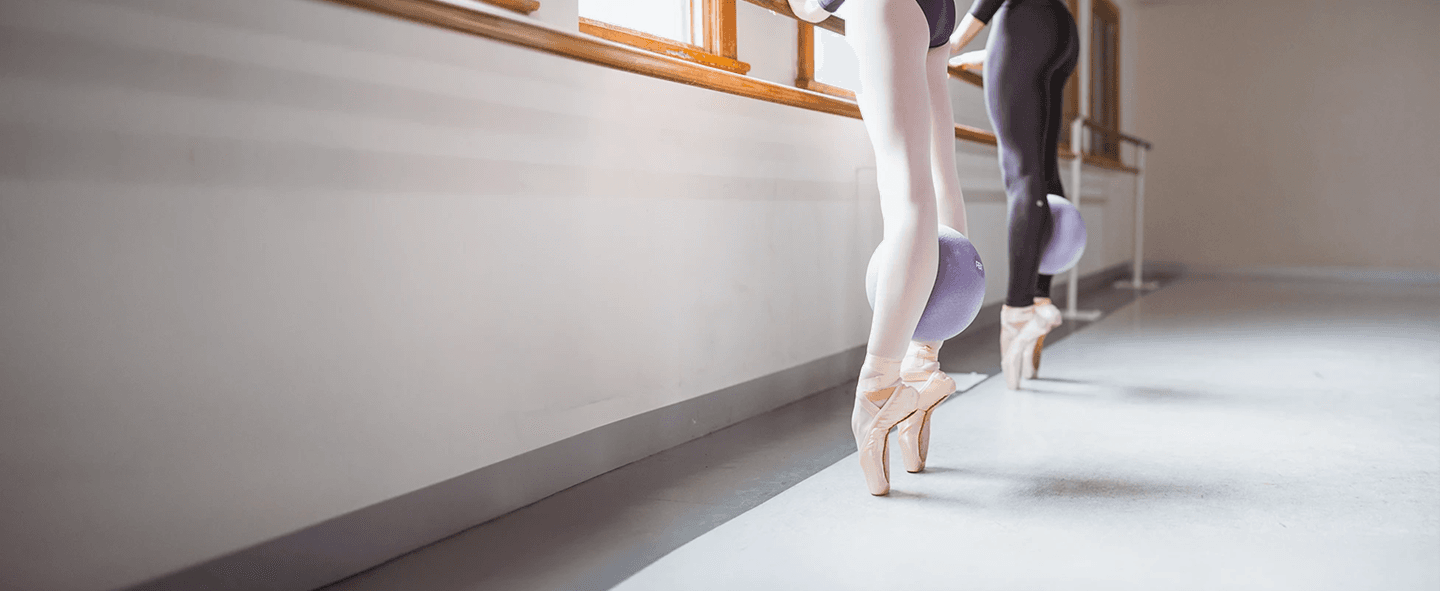
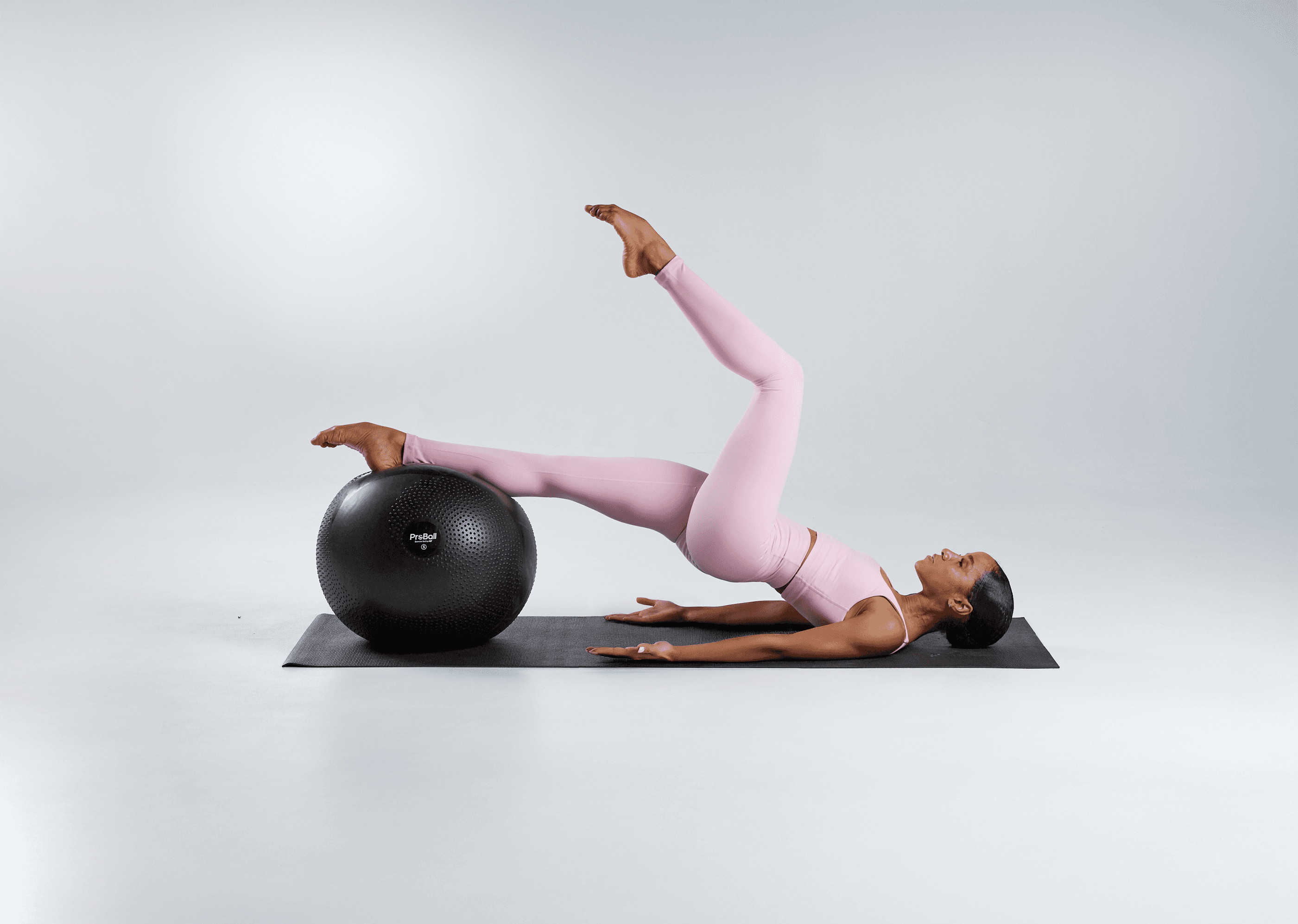
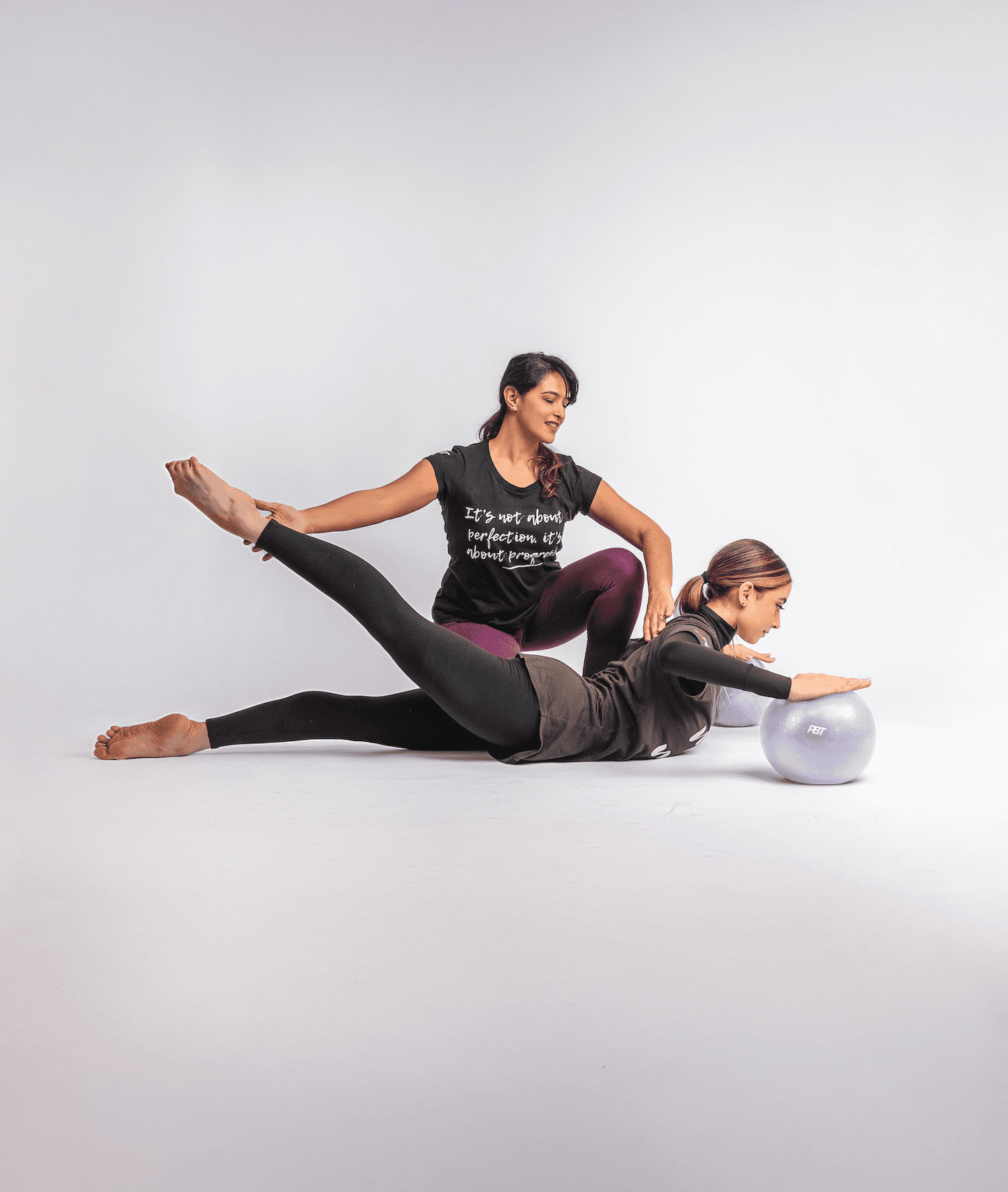
PBT works from the inside out: through a graded series of exercises using equipment such as exercise balls and resistance bands, dancers develop precise alignment, coordination, and control, supported by music and guided by an understanding of both technical and artistic development.
Informed by anatomy, motor learning, and movement science, PBT is trusted by teachers, professional dancers, and sports physiotherapists worldwide as effective for injury prevention and rehabilitation as it is for technical growth.
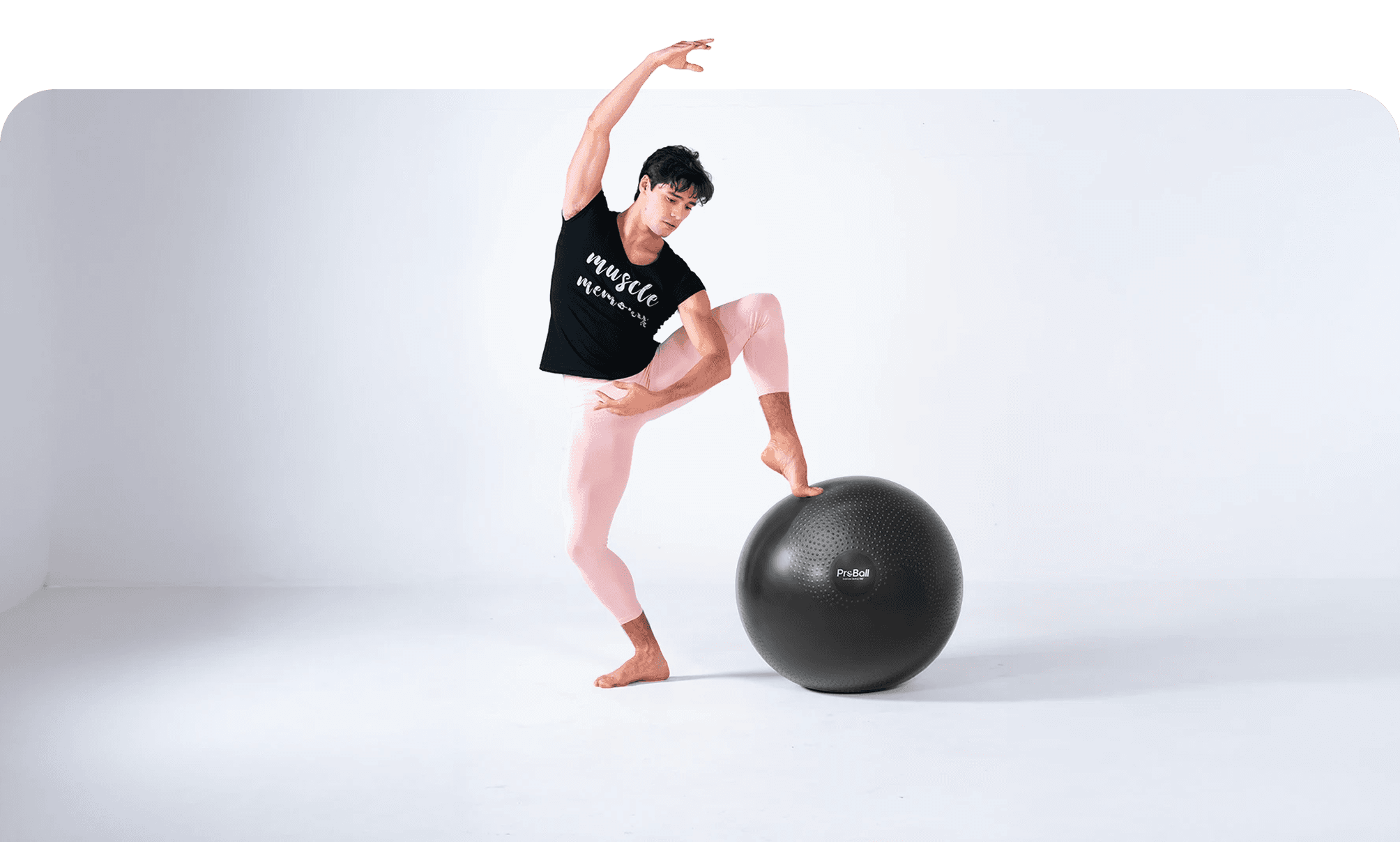
PBT aids in strengthening foundational aspects and I find it incredibly beneficial for students just starting ballet or professionals like myself. PBT has been transformative, whether it is helping to improve a jump, find your leg or cross your fifths. The results are incredible!
Jovani Furlan
Principal Dancer | New York City Ballet
Certified Teachers Worldwide
Countries Using PBT
Dance Schools Integrated
Of Development & Refinement
Meet the method, meet the founder
Marie Walton-Mahon OAM and PBT tutor Jenna Roberts walk you through the method, the science behind it, and why it works.
Why it works, and how we know
Behind the method sits years of real-world results, documented research, and a scientific framework grounded in how the body actually learns to move.
Grounded in neuromuscular repatterning
PBT is grounded in neuromuscular repatterning, a well-documented field in sports science and physiotherapy. By using equipment as a proprioceptive tool, the body receives instant sensory feedback on alignment — faster and more lasting than verbal correction alone.
When a dancer's weight shifts off-centre, the ball moves. The brain receives immediate data and self-corrects. This is proprioceptive mapping: the body learning to feel the correct alignment rather than imitating the shape.
It is not just a workout; it is an education in understanding and respecting your body.
Joseph Caley, Principal Dancer, The Australian Ballet
Observed in practice, confirmed by research
PBT has been practised in studios worldwide for over three decades. In that time, its impact has been observed across thousands of teachers and students globally, and examined in academic research.
A 2019 case study by Dr. Jenna M. Alsteen at Edgewood College found that PBT certification meaningfully changed how teachers taught, sharpened their precision in targeting specific muscle groups, and led to measurable technique improvements in their students.
These findings reflect what the broader PBT community has been experiencing for years.
30 years. 60 countries. Thousands of students.
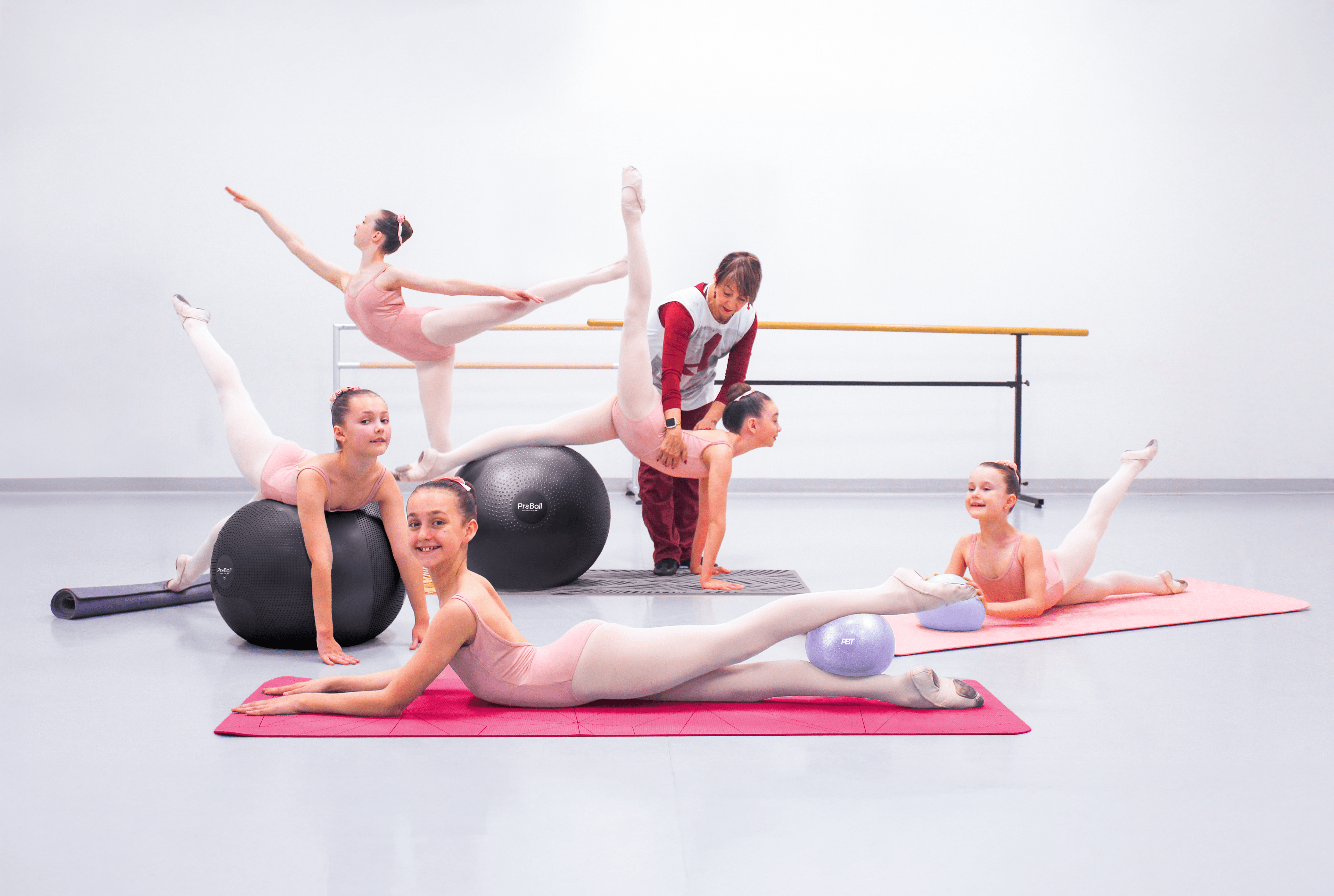
Integrated into studios, schools, and curricula across 60+ countries, PBT is used by everyone from beginner students to principal dancers at the world's leading companies. Over three decades, teachers have reported the same outcomes: stronger students, better technique, fewer injuries, and dancers who truly understand their bodies.
It was true of Daniel Roberge, one of the earliest students Marie tested the method with, who went from zero ballet experience to a silver medal at the Genee International Competition and a place at Washington Ballet. And it has been true of thousands of students ever since.
Reading: The Concept of Neuromuscular Repatterning in Dancers: A Systematic Review (ResearchGate, 2024).
Reading: An experimental study using the PBT Program
Marie Walton-Mahon OAM
Marie Walton-Mahon OAM is a former professional ballet dancer, choreographer, and educator with over five decades dedicated to dance education. The OAM, Medal of the Order of Australia, was awarded to Marie in 2021 for her service to dance as a teacher, one of Australia's highest civilian honours.
Her curiosity about how dancers truly prepare their bodies began in the early 1970s, watching the legendary Maya Plisetskaya do floor barre exercises before class with Les Ballet de Marseille. That moment never left her. Back in Australia, she spent years studying anatomy, collaborating with physiotherapists, and developing a system of exercises that would give dancers the physical foundation their training alone could never fully build.
What started in a single studio in Newcastle is now taught across six continents. Marie continues to lead, mentor, and evolve the program she has spent a lifetime bringing to life.
PBT is for every dancer, at every stage
Whether you are training your own body or developing your students, there is a clear path into PBT.
What the dance world says
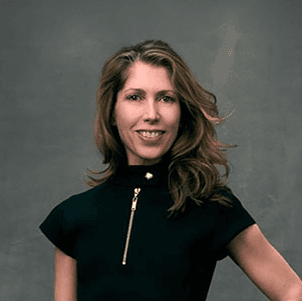
Leanne Benjamin AM OBE
Artistic Director, Queensland Ballet Former Principal · The Royal Ballet, London
“PBT proves invaluable for dancers, athletes and physiotherapists, enabling them to maximise their performance and excel in their respective fields. I hold PBT in the highest regard to strengthen, motivate, and support students.”
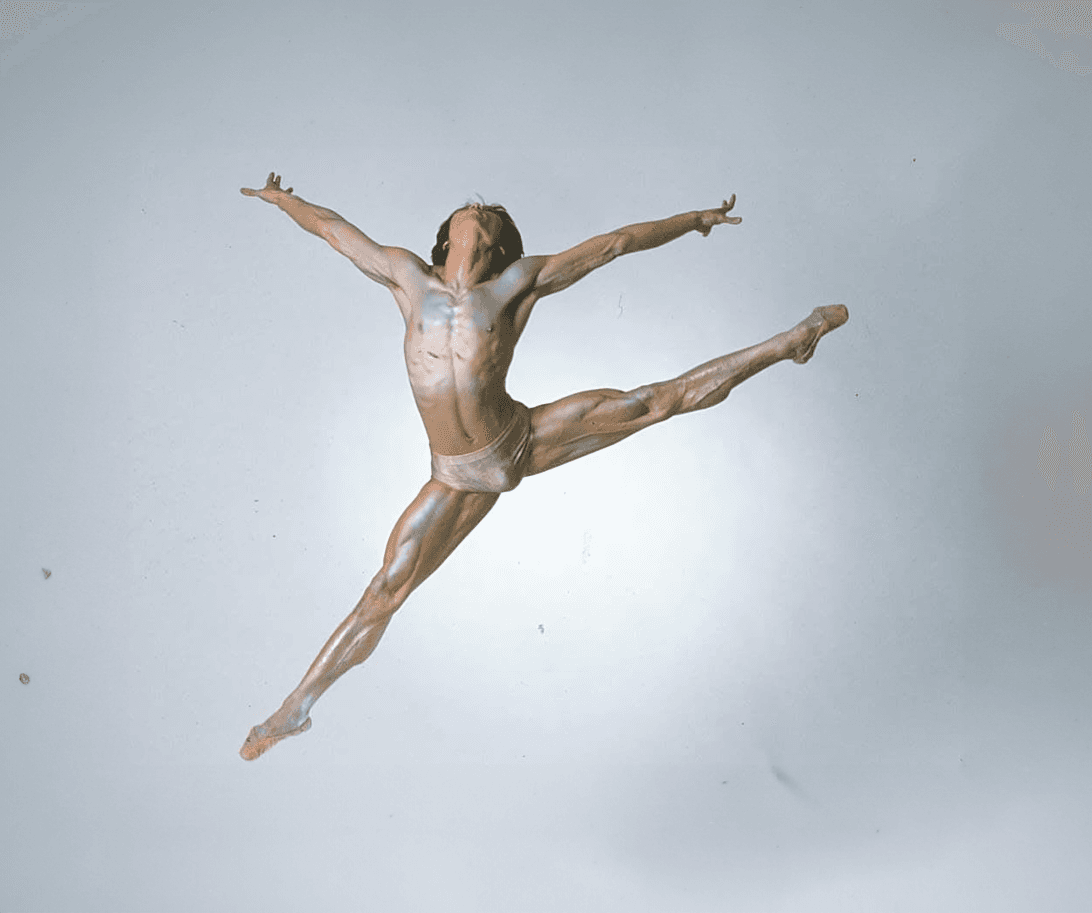
Li Cunxin AO
Author, Mao's Last Dancer Former Artistic Director · Queensland Ballet & Australian Ballet
“The effective PBT exercises will help students to strengthen their core, stability, muscle control, balance and overall, help their dance technique.”
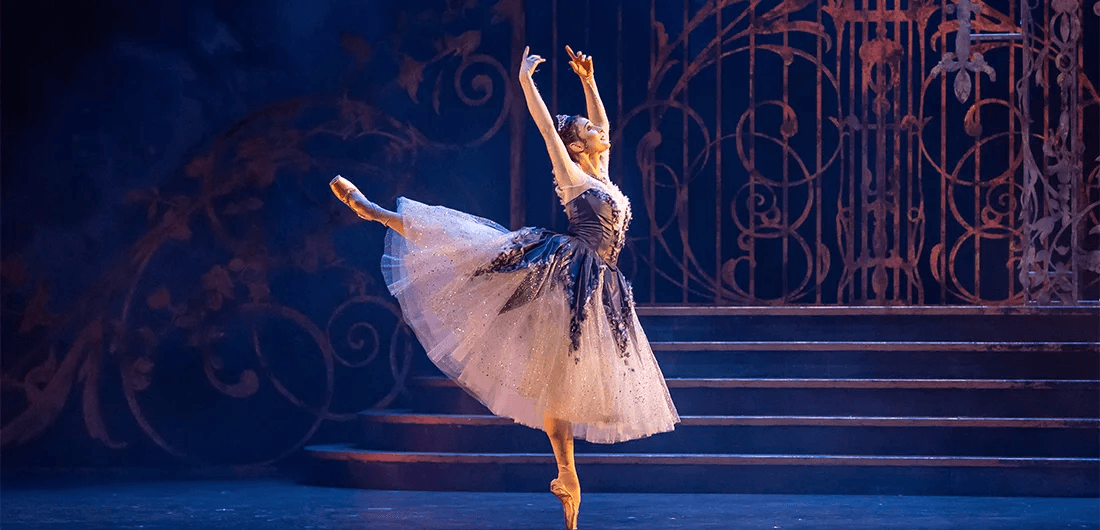
Jessica Fyfe
Principal Dancer · Scottish Ballet PBT practitioner since age 13
“Beginning my training in PBT at the age of 13 prepared my body for the career I have today. PBT has given me a core strength like no other and has helped support me through injuries, lockdowns and throughout all the different stages of my career.”
Visit our full FAQ for common questions about PBT.
Start your PBT journey
Whether you are a dancer building strength or a teacher ready to certify, your path starts here.